
Let’s be honest with each other for a moment. When you think of Peru, your brain probably does a very specific thing. It projects a grainy, slightly over-saturated image of a llama standing stoically in front of a massive stone city, with dramatic clouds swirling around mountain peaks. It’s the ultimate desktop wallpaper fantasy. But here is the dirty little secret that the travel brochures won’t tell you: Peru is a glorious, chaotic, and utterly magnificent beast that refuses to be confined to a single Instagram post. It is a country that throws you from the dizzying heights of the Andes into the sweaty, primordial embrace of the Amazon, and it does so with a smirk on its face, as if to say, “Oh, you thought that was it? Hold my chicha.” This is a land of extremes, and exploring it is less like a vacation and more like a glorious, multi-act theatrical production where you are simultaneously the audience and the baffled lead actor.
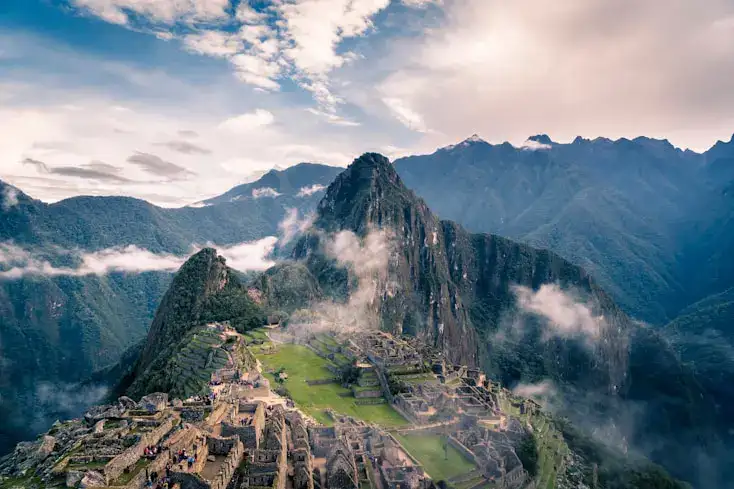
Let’s start with the elephant in the room, or rather, the citadel in the clouds. Machu Picchu. It is the headline act, the reason most people book the flight, and the magnetic force that pulls millions of tourists to the small, overwhelmed town of Aguas Calientes. To get there, you have a choice. You can take the train, which is comfortable, scenic, and lets you watch the majestic mountains roll by while sipping a pisco sour. Or, you can take the truly unhinged option: the Inca Trail. This is not a walk in the park; it is a four-day, lung-busting, knee-crushing pilgrimage that will have you questioning every life choice that led you to strap a heavy backpack to your back and hike at altitudes where the air feels like it has been thinned out to punish you personally. But here is the magic of the Inca Trail: it’s a hazing ritual. By the time you stumble through the Sun Gate and see that iconic view for the first time, you aren’t just a tourist; you are a survivor. You have earned that view. You have bled (maybe not literally, though blisters are a distinct possibility), sweated, and probably cried a little bit at the sight of your third set of steep stone steps.
Standing at the top of the Intipunku, watching the sun rise over the ancient city, you are struck by a profound sense of awe that quickly dissolves into a pressing logistical question: how on earth did they build this? The precision of the stonework is baffling. These massive blocks are fitted together so perfectly that you cannot slip a credit card between them, and they did it without metal tools, without the wheel, and without the luxury of a PowerPoint presentation to outline the blueprints. It is a testament to human ingenuity and the sheer stubbornness of a civilization that looked at a mountain and said, “Yeah, we’re going to build a city on that.” However, for all its mystical grandeur, Machu Picchu is swarming with a surprising number of people. You will find yourself jostling for a prime photo spot, trying to get the classic “llama in the foreground” shot while simultaneously avoiding a dozen selfie sticks. The secret is to breathe it all in, find a quiet corner, and simply sit. The energy of the place is palpable, and if you quiet the noise of the crowd, you can almost hear the whispers of the past. But don’t get too comfortable; Peru is just getting started.
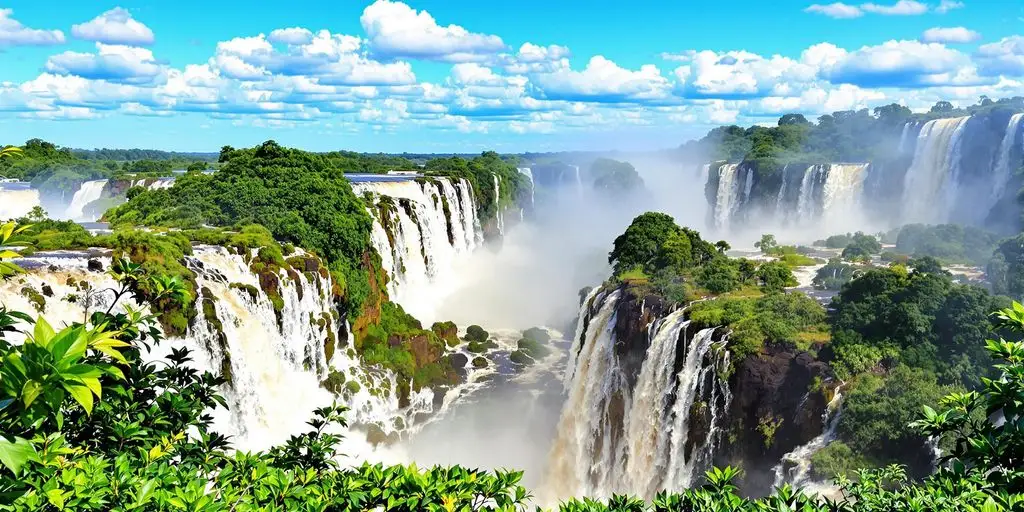
Leaving the crisp, thin air of the Andes behind, you descend. And you keep descending. It is a sensory experience that feels less like traveling and more like being slowly lowered into a giant, verdant terrarium. The air thickens, the temperature rises, and the sun feels heavier. You are entering the Amazon Rainforest, specifically the Peruvian Amazon, which is a title that sounds like a premium brand of luxury sweatpants but is actually a sprawling, untamed wilderness that covers a massive chunk of the country. The journey often begins in Iquitos, a city that is a world away from the colonial grandeur of Cusco. This is the largest city in the world that cannot be reached by road. You either fly in or take a boat, and once you are there, the jungle is your only neighbor. Iquitos itself is a chaotic, vibrant sprawl of mototaxis, bustling markets, and the distinct, ever-present smell of the river. It’s a place that feels wonderfully lawless, a frontier town where the wildness of the rainforest seeps into the very concrete of the sidewalks.
The transition from the clean, historical stones of Machu Picchu to the muddy, chaotic banks of the Amazon is jarring. It is a stark reminder that Peru is a country of profound contrasts. You go from the spiritual, where the Inca’s connection to the sun was everything, to the primal, where the sound of howler monkeys at dawn is the only alarm clock you need. During my first night in a jungle lodge, I lay in my mosquito-netted bed, listening to the chorus of the night. It wasn’t a soothing lullaby; it was a cacophony of clicks, croaks, and bizarre screeches that sounded like a poorly tuned orchestra practicing for a performance you were not sure you wanted to attend. A massive moth, looking like it belonged on a heavy metal album cover, decided to use my face as a landing strip. I lay perfectly still, convinced that any movement would trigger a cascading event where the entire ecosystem would turn against me. That’s the Amazon for you. It keeps you humble.
During the day, however, the jungle reveals its softer side. Navigating the waterways in a small wooden boat, you glide past trees so tall they seem to scrape the clouds. Your guide, whose eyes are trained to spot a three-inch frog from fifty meters away in the dark, points out the wildlife. You’ll see sloths moving with the speed of a government worker on a Friday afternoon, brilliant macaws that streak across the sky like living rainbows, and the infamous piranhas. My guide assured me that the piranhas only bite if you’re bleeding, which is about as reassuring as being told a tiger only attacks if you’re made of steak. But the real highlight, the absolute showstopper, is the pink river dolphin. These are not the playful, grey dolphins of the ocean; these are pale, almost ghostly creatures that surface with a soft puff of breath, looking at you with a curious, almost judgemental gaze. They belong more to a myth than to our mundane reality. It feels like you have stumbled into a world where the boundaries between reality and magic blur completely.
The stark difference between the two regions extends beyond the scenery and into the very culture of the people. In Cusco, you encounter the proud descendants of the Inca, whose history is etched into the very stones they walk on. Their textiles are geometric, precise, and mirror the ordered perfection of the agricultural terraces you see dotting the mountainsides. They are a people of the highlands, used to the cold and the hard work of carving a life out of the mountains. In the Amazon, you meet the indigenous tribes of the jungle, people whose relationship with nature is not one of dominance, but of deep, intimate interdependence. They move through the dense foliage with a grace that is impossible for a clumsy tourist to replicate, identifying medicinal plants, reading the river’s currents, and using the forest as a pharmacy, supermarket, and hardware store combined. Watching a guide effortlessly climb a tree using only a strip of vine to collect some fruit makes you realize just how many layers removed from our natural habitat we really are.
Connecting these two disparate worlds is a surprisingly relatable common denominator: the ceviche. Not the fancy, deconstructed version you might find in a trendy New York restaurant, but the real stuff. You sit on a plastic stool by a market stall in Lima, the city that so brilliantly sits between the mountains and the sea, and you are handed a bowl of fresh fish, “cooked” in the acidic embrace of lime juice, with a side of sweet potato and choclo (giant Peruvian corn). It is the taste of Peru. It’s acidic, fresh, and has a punch of heat from the rocoto pepper that jolts your system awake, much like the country itself. It is the perfect culinary metaphor for the nation: bright, bold, and leaving a lingering impact that you can’t quite shake off.
As your journey winds down and you begin the long journey home, you find yourself wearing the soot of the journey like a badge of honor. You will have a backpack full of dirty laundry, a camera roll bursting with photos you will guiltily never look through, and a mind overflowing with memories. You will have had your breath taken away by the architectural genius of the Inca, and had your heart rate spiked by the sheer, untamed power of the jungle. The irony of Peru is that while it is a country famous for its history, it is profoundly and vibrantly alive. The past is not locked away in museums; it is alive in the traditions of the people, just as the future is being shaped in the bustling, chaotic energy of its cities.
So, the next time you are staring at that desktop wallpaper, dreaming of the lost city, remember that you are only looking at half the picture. The real Peru is not just a place you visit; it is an experience you survive and embrace. It is the feeling of being on top of the world, gasping for air in the Andes, and then being dragged into the damp, pulsating heart of the Amazon. It asks for your stamina, your curiosity, and a generous sense of humor. But if you give it those things, it will reward you with a story worth telling. Just try not to feed the llamas, and for goodness sake, watch where you step in the jungle.