
Paris. The very name conjures images of romance, art, and a certain je ne sais quoi that has captivated the world for centuries. For the first-time visitor, the City of Light can feel both exhilarating and overwhelming. With its endless arrondissements, winding streets, and a history that whispers from every corner, where does one even begin? The key to a successful first trip is not to try and see everything, but to focus on the quintessential experiences that define the Parisian soul. This guide is curated for the newcomer, highlighting the must-see landmarks and neighborhoods that will provide a perfect introduction to the magic of Paris. From towering iron monuments to bohemian hilltops, these are the places that will make your first visit unforgettable.
The Eiffel Tower: A Symbol of Grandeur and Ingenuity
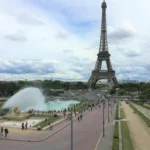
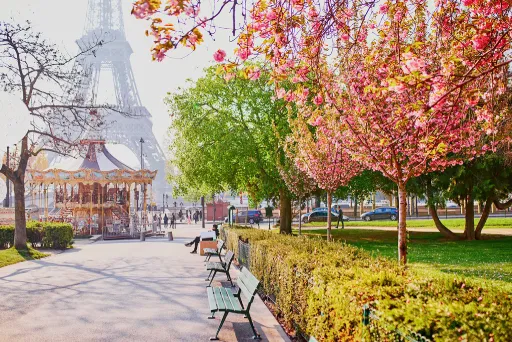
No first visit to Paris is complete without standing in the shadow of the Eiffel Tower. This iron lattice giant, built for the 1889 World’s Fair, was once a controversial structure, decried by artists and intellectuals of the time. Today, it is the undisputed symbol of France and a testament to human engineering. For a first-time visitor, the experience can be approached in several ways. The most obvious is to ascend the tower. Taking the elevator to the top offers a breathtaking, panoramic view of the entire city, allowing you to orient yourself and spot other landmarks like the Arc de Triomphe and the Sacré-Cœur. For a more intimate experience, consider taking the stairs to the second floor. It’s a vigorous climb, but it grants a closer perspective of the structure’s intricate metalwork and a spectacular view of the Trocadéro gardens. However, one of the most magical experiences costs nothing at all: simply being in its presence. Spread a blanket on the grassy Champ de Mars, enjoy a picnic of bread, cheese, and wine, and wait for nightfall to watch the tower sparkle with thousands of twinkling lights on the hour. This quintessential Parisian moment is one you will cherish forever.
The Louvre Museum: A Palace of Art and History
A short walk from the Eiffel Tower along the Seine, you will encounter the Louvre, a former royal palace that now serves as the world’s largest art museum. For a first-time visitor, the Louvre can be daunting. With over 35,000 works of art on display, it is impossible to see everything in a single day. The strategy is to accept this and focus on the highlights. Naturally, your pilgrimage will lead you to the mysterious, ancient smile of Leonardo da Vinci’s Mona Lisa, which is smaller than most expect but still captivating. From there, you can marvel at the powerful, wingless Venus de Milo and the stoic Winged Victory of Samothrace, which stands majestically at the top of a grand staircase. Beyond the masterpieces, the museum itself is a work of art. The grandeur of the Napoleon Apartments, with their ornate ceilings and crystal chandeliers, offers a glimpse into the opulent lives of French royalty. To fully enjoy the Louvre, purchase your tickets in advance online to avoid the long queues. Enter through the underground shopping mall, the Carrousel du Louvre, to bypass the main pyramid entrance crowd. And remember, it is perfectly acceptable to spend a few hours marveling at the art before taking a break at one of the museum’s lovely cafes to rest and reflect on the cultural riches you’ve just witnessed.
Notre-Dame Cathedral: A Gothic Masterpiece on the Seine
A walk along the Seine River is a must-do in Paris, and it will naturally lead you to the Île de la Cité, the historical heart of the city, where the magnificent Notre-Dame Cathedral stands. Although it is currently undergoing restoration after the tragic fire of 2019, its presence and significance remain undiminished. For first-time visitors, the sight of this Gothic masterpiece, with its iconic twin towers and intricate flying buttresses, is awe-inspiring. The cathedral has been a silent witness to history for over 850 years, and its façade is a stunning display of religious iconography. While the interior is not yet fully accessible, you can still appreciate its grandeur from the outside and the square in front. Don’t miss the archaeological crypt beneath the square, which offers a fascinating glimpse into the city’s ancient past, revealing ruins from the Roman era. A short walk away is the charming Place Dauphine, a hidden triangular square that is a perfect spot for a quiet coffee, away from the main tourist thoroughfares. The restoration of Notre-Dame is a symbol of Paris’s resilience, and seeing it is not just about visiting a tourist site, but about witnessing a piece of living history.
Montmartre and the Sacré-Cœur: The Bohemian Village
To experience a different side of Paris—one that feels like a charming village—take the metro to the hilltop neighborhood of Montmartre. This area, once home to artists like Pablo Picasso and Vincent van Gogh, retains a bohemian, artistic spirit. The centerpiece of Montmartre is the gleaming white Basilica of the Sacré-Cœur. Its Romano-Byzantine architecture and imposing dome are visible from many points in the city. Climbing the steps to the basilica is a rite of passage, but the reward is arguably the best panoramic view in Paris, offering a stunning vista of the city sprawling beneath you. For the adventurous, you can even climb to the top of the dome for an even more spectacular perspective. After taking in the views, explore the surrounding streets. Wander through the Place du Tertre, a lively square filled with portrait artists and cafe tables. While it is touristy, its energy is infectious. A short walk away, you can see the last remaining vineyard in Paris, the Clos Montmartre, and find the famous Moulin de la Galette, a historic windmill-turned-restaurant. The vibrant, winding streets of Montmartre are perfect for getting lost in, as you discover antique shops, local bakeries, and hidden staircases that transport you to a different era.
A Stroll Down the Champs-Élysées and Arc de Triomphe
For a taste of Parisian grandeur and glamour, a walk down the Avenue des Champs-Élysées is essential. This iconic boulevard stretches from the Place de la Concorde to the majestic Arc de Triomphe. For a first-time visitor, the sheer scale and energy of the street are impressive. While it is known for its high-end shops, flagship stores, and cinemas, the true pleasure lies in simply strolling along its wide, tree-lined pavements. However, be mindful; the Champs-Élysées is very touristy and can be crowded, so it is best enjoyed for the famous view and atmosphere rather than for a quiet shopping experience. At the western end of the avenue stands the Arc de Triomphe, a colossal monument commissioned by Napoleon to honor his Grande Armée. The view from the top of the arch is spectacular and distinct from the views from the Eiffel Tower or Sacré-Cœur, as it offers a direct perspective down the twelve grand avenues that radiate from it, including the Champs-Élysées. The intricate carvings on the monument’s pillars, depicting epic battles, are a history lesson in stone. To feel the true gravity of the place, you can visit the Tomb of the Unknown Soldier beneath the arch, where a memorial flame burns in eternal memory of those who died in World War I.
Exploring the Heart of the City: Le Marais and Latin Quarter
To truly understand the daily rhythm of Paris, you must explore its historic neighborhoods. For a vibrant, fashionable, and historically rich experience, head to Le Marais. This area in the 3rd and 4th arrondissements is one of the few parts of Paris untouched by Baron Haussmann’s 19th-century renovations, so its narrow, winding medieval streets remain intact. Le Marais is the city’s premier LGBTQ+ district and is packed with trendy boutiques, art galleries, historic mansions (like the Hôtel de Sully), and the beautiful Place des Vosges, the oldest planned square in Paris. It is a fantastic place for a leisurely afternoon, offering a mix of history, culture, and modern Parisian life. In stark contrast, but equally essential, is the Latin Quarter. Situated on the Left Bank, this is the student heart of Paris, centered around the Sorbonne University. The atmosphere is one of intellectual vibrancy and youthful energy. Lose yourself in the winding streets, find the famous Shakespeare and Company bookstore, an English-language landmark that has inspired writers for decades, and explore the medieval streets of the Rue de la Huchette. This area is also home to the beautiful Jardin du Luxembourg, a peaceful and elegant garden perfect for a tranquil escape from the city’s bustle. Here, you can watch the old men play chess, the children sail model boats on the pond, and simply soak in the serene Parisian atmosphere.
The Essential Parisian Experience: Cafes and the Seine
Finally, no guide for a first-time visitor would be complete without mentioning the essential, intangible experiences that define Paris. It is about sitting at a sidewalk cafe, ordering a café crème or a glass of wine, and watching the world go by. This is the Parisian art of flânerie—the act of strolling and observing. It is about taking a boat cruise on the Seine, seeing the city’s monuments glide by as you pass under its many historic bridges. It is about buying a freshly baked baguette from a local boulangerie and a pastry from a patisserie and enjoying them in a park. For first-timers, the culinary scene is a cornerstone of the visit. Embrace the rich, comforting flavors of classic French dishes like boeuf bourguignon or coq au vin, and be sure to visit a traditional boulangerie for a flaky, buttery croissant. In a city of grand monuments and world-class museums, these simple, sensory pleasures often become the most cherished memories of all. A first trip to Paris is about striking a balance—seeing the iconic landmarks that have shaped our collective imagination, while also slowing down to absorb the city’s unique, intoxicating atmosphere.