
There is a reason why Iceland has become the ultimate muse for documentary filmmakers. It is not merely a country; it is a visual paradox, a land where fire and ice coexist in a fragile, breathtaking dance. To travel across the white roads of Iceland is to step into a living documentary—a cinematic narrative written not by human hands, but by the raw, untamed forces of the Earth itself. Every twist and turn of its winding highways reveals a new scene, a new act in a story that has been unfolding for millions of years.
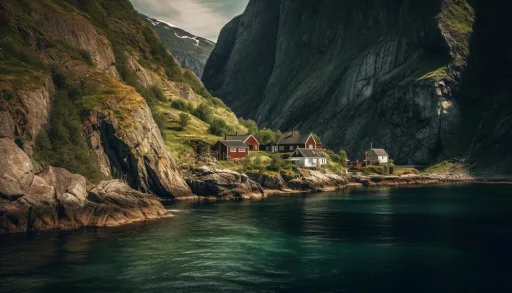
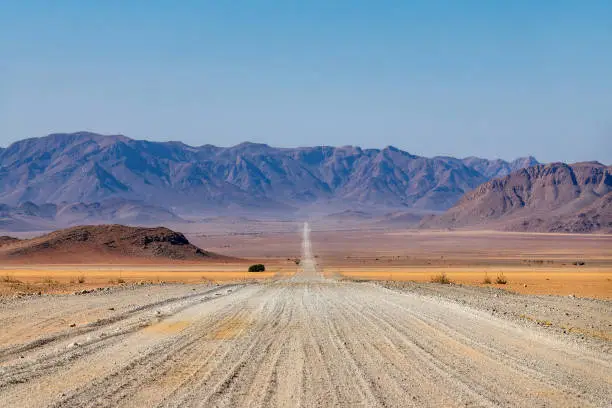
The journey begins in Reykjavík, the world’s northernmost capital, but the true documentary does not start until you leave the colorful rooftops and geothermal-heated sidewalks behind. As you drive eastward on the Ring Road, the asphalt gradually gives way to a landscape that feels prehistoric. The white roads of Iceland are not just strips of tarmac; they are arteries leading into the heart of a geological masterpiece. They cut through vast lava fields draped in thick, velvety moss, past glaciers that creep down from the highlands like frozen rivers, and alongside fjords carved by ancient ice ages.
The first revelation of this cinematic landscape is the light. Iceland sits just below the Arctic Circle, and the quality of its light is unlike anywhere else on Earth. During the winter months, the sun barely grazes the horizon, casting long, ethereal shadows and bathing the world in a perpetual, soft-blue twilight known as the “blue hour.” This is the cinematographer’s dream—a natural diffusion that makes even the most rugged terrain appear soft, mystical, and otherworldly. Conversely, the midnight sun of summer offers endless golden hours, where the sun circles the sky without ever setting, allowing for 24-hour exploration and filming. For any documentary crew, this is both a gift and a challenge: how do you capture a land that refuses to be contained by ordinary time?
The subject of any Iceland documentary inevitably turns to the elements. Water, in all its forms, dominates the narrative. You will witness the thunderous power of Gulfoss, the “Golden Waterfall,” where glacial meltwater crashes into a deep canyon, sending mist high into the air. On a sunny day, rainbows arc across the spray, but on a grey, overcast morning, the falls take on a brooding, almost menacing quality. Not far away lies the Geysir geothermal area, where the earth hisses and boils. Hot springs bubble in iridescent blues and greens, and the famous Strokkur geyser erupts every few minutes, shooting a column of boiling water up to 40 meters into the sky. It is a stark reminder that Iceland is a land still being born, sitting atop the volatile Mid-Atlantic Ridge where the North American and Eurasian tectonic plates are slowly tearing apart.
But perhaps the most hauntingly beautiful subject in the Icelandic documentary is ice. The glaciers of Vatnajökull, Europe’s largest ice cap, dominate the southeastern horizon. These are not static, lifeless monoliths; they are living, moving entities. Crevasses slice through the surface like scars, revealing deep, crystalline blues that seem to glow from within. Documentaries often focus on the icebergs that calve into the Jökulsárlón glacier lagoon, floating serenely before drifting out to the black sand beach of Diamond Head. Here, chunks of ice rest on volcanic sand, gleaming like scattered diamonds under the pale sun. It is a poignant, visual poetry—a stark contrast between the dark, ancient earth and the fragile, melting ice. This imagery has become iconic, often serving as a powerful, unspoken commentary on climate change, making Iceland a frequent subject for environmental documentaries.
Off the white roads, the narrative shifts to the human element. Icelanders are a resilient people, shaped by the harsh, unforgiving environment. Their history, preserved in sagas that date back over a thousand years, is a documentary in itself. The small, turf-roofed churches and remote farmsteads dotting the landscape speak of a people who learned to coexist with nature’s fury. The infamous Eyjafjallajökull volcanic eruption in 2010, which halted European air travel, is a recent chapter in this long history of survival. Documentarians often capture the spirit of these communities—their deep-rooted connection to the land, their reliance on geothermal energy, and their quiet, steadfast determination in the face of unpredictable natural forces.
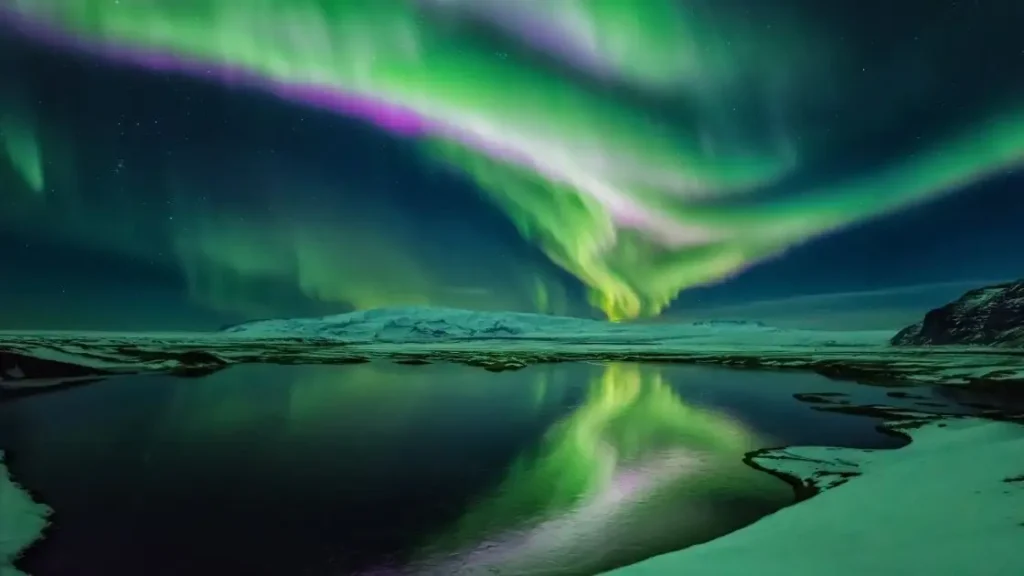
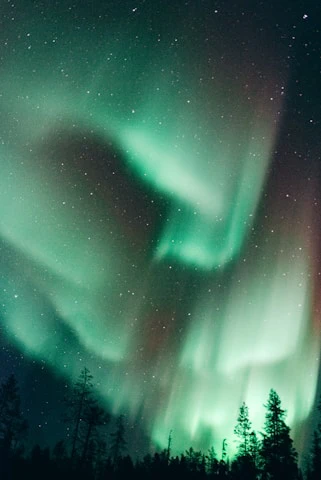
Filming across the white roads requires patience and respect. Weather in Iceland is famously capricious; you can experience all four seasons within a single hour. A clear, sunny morning can transform into a blinding snowstorm before you reach the next valley. This unpredictability, however, is what makes the documentary so compelling. It forces the filmmaker to adapt, to embrace the chaos, and to wait for that perfect moment when the clouds part and the sun illuminates a glacier, or when the Northern Lights dance across a star-filled sky, painting the heavens in shimmering greens and purples.
In conclusion, a documentary across the white roads of Iceland is far more than a travelogue. It is a meditation on the sublime power of nature, a study in contrast, and a testament to the resilience of life in the most extreme conditions. The white roads do not merely lead from one destination to another; they guide the viewer through a narrative of creation, destruction, and renewal. They remind us that we are small passengers on a planet that is alive, breathing, and constantly changing. For those who traverse these roads, camera in hand, Iceland offers not just footage, but a profound, transformative experience—a story that demands to be told, frame by stunning frame.